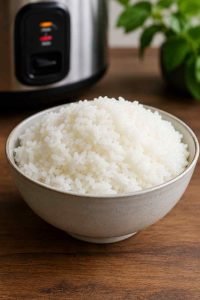
How does a rice cooker know when to stop? A rice cooker knows when to stop cooking by detecting a rise in temperature after all the water has been absorbed or evaporated. Once the temperature inside the rice cooker climbs above the boiling point of water, an internal thermostat or thermal sensor automatically switches the appliance from Cook to Keep Warm. Understanding this simple process also helps explain why rice cookers sometimes undercook, overcook, or switch modes too early. If you’ve experienced those issues, our guide to common rice cooker problems explains the most frequent causes.
The science behind automatic shut-off is surprisingly simple, yet modern models have become much smarter than earlier designs. This guide explains how traditional thermostats, bimetallic strips, and advanced Fuzzy Logic systems work, while also comparing two excellent rice cookers that demonstrate these technologies in real-world use. If you’re also wondering about capacity labels, understanding what a 1-litre rice cooker means can make choosing the right appliance much easier.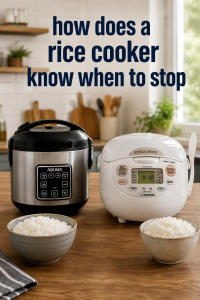
📌 Key Takeaway
A rice cooker does not rely on a timer to decide when cooking is complete. Instead, it continuously monitors temperature. Once no liquid water remains in the inner pot, the temperature rises above 100°C (212°F), triggering the thermostat or electronic sensor to activate the Keep Warm mode automatically.
The Science Behind How a Rice Cooker Knows When to Stop
A rice cooker knows when to stop because temperature changes reveal when the cooking water has disappeared. Water cannot become hotter than its boiling point under normal cooking conditions, so the appliance keeps cooking while liquid water remains. As soon as the water is gone, the temperature increases rapidly and signals that cooking is complete.
This clever design allows the rice cooker to adapt automatically without requiring the user to watch the pot. Consequently, the appliance delivers consistent cooking results while reducing the risk of burning the rice.
Why Water Boils at 100°C (212°F)
The boiling point of water is the foundation of every automatic rice cooker. At normal atmospheric pressure, liquid water boils at approximately 100°C (212°F). During cooking, the water absorbs heat while remaining at this temperature until it has fully evaporated or been absorbed by the rice.
Because the temperature remains nearly constant during boiling, the rice cooker recognizes that cooking is still in progress. Only after the water disappears does the temperature begin rising above 100°C, allowing the thermostat to detect that the rice has finished cooking.
How the Heating Plate Transfers Heat
The heating plate supplies the energy that cooks both the rice and the water. Located beneath the removable inner pot, the heating plate converts electrical energy into heat and distributes it evenly across the base of the cooking vessel.
The inner pot transfers this heat directly into the water, creating steam that surrounds every grain of rice. Therefore, efficient contact between the heating plate and the inner pot is essential for accurate temperature sensing and consistent cooking performance.
What Happens When All the Water Is Absorbed
Once all the water has been absorbed, the rice cooker immediately detects a change in temperature. Until that point, boiling water limits the cooking temperature to around 100°C. After absorption, nothing prevents the inner pot from becoming hotter.
This sudden increase tells the rice cooker that the cooking cycle has reached its natural endpoint. Instead of relying on guesswork, the appliance responds to a measurable physical change occurring inside the pot.
How the Thermostat Detects the Temperature Change
The thermostat is the component responsible for recognizing when cooking has finished. Positioned beneath the inner pot, the thermostat stays in contact with the base throughout the cooking cycle and continuously monitors heat.
As soon as the temperature rises beyond the boiling point, the thermostat activates the switching mechanism. Consequently, the rice cooker stops supplying full cooking power and enters the lower-temperature Keep Warm mode to prevent overcooking.
The Role of the Bimetallic Strip
Many traditional rice cookers rely on a bimetallic strip to switch between cooking and warming. A bimetallic strip consists of two different metals bonded together. Because each metal expands at a different rate, the strip bends whenever its temperature changes.
When the strip bends far enough, it mechanically releases the cooking switch. This reliable design explains why even inexpensive rice cookers can automatically stop cooking without using computers or digital sensors.
Why the Rice Cooker Switches to Keep Warm Automatically
The Keep Warm function prevents freshly cooked rice from cooling too quickly. Instead of completely shutting off, the rice cooker reduces its heating output to maintain a serving temperature while avoiding continued active cooking.
Additionally, maintaining gentle warmth helps preserve texture for several hours. However, leaving rice on Keep Warm for excessive periods may gradually dry the grains, especially in basic mechanical rice cookers.
Step-by-Step: What Happens During the Rice Cooking Cycle
The rice cooking cycle follows a predictable sequence controlled entirely by temperature. Every stage helps the rice cooker determine exactly when cooking should end without requiring manual timing.
Step 1 – The Heating Element Starts Cooking
The heating element immediately begins transferring heat into the inner pot. Electricity powers the heating plate, warming the water and rice together. During this stage, the thermostat simply monitors the increasing temperature without taking any action.
Step 2 – Water Reaches the Boiling Point
The water soon reaches approximately 100°C (212°F). Once boiling begins, steam circulates throughout the inner pot while the rice gradually absorbs moisture. The temperature remains stable because the water continues changing into steam.
Step 3 – Rice Absorbs the Water
The rice grains slowly absorb the hot water. Starch softens while each grain expands in size, producing the fluffy texture expected from properly cooked rice. Meanwhile, the remaining water continues regulating the cooking temperature.
Step 4 – Steam Begins to Decrease
Steam production naturally declines as less water remains inside the pot. Although boiling continues, evaporation slows because most of the moisture has already entered the rice grains.
Step 5 – Temperature Rises Above Boiling
The most important moment occurs when the water disappears completely. Without liquid water limiting the temperature, the base of the inner pot quickly becomes hotter than 100°C. This rapid increase is exactly what the thermostat has been waiting for.
Step 6 – The Internal Sensor Activates
The thermostat or electronic thermal sensor immediately detects the higher temperature. Basic rice cookers use mechanical switching, whereas premium models rely on electronic sensors and computer-controlled logic for even greater precision.
Step 7 – The Cooker Switches to Keep Warm
The rice cooker automatically enters Keep Warm mode. Cooking stops, but gentle heat continues to maintain serving temperature. As a result, the rice remains warm without continued boiling or aggressive heating.
Traditional Rice Cookers vs Fuzzy Logic Rice Cookers
Both traditional and Fuzzy Logic rice cookers know when to stop, but they make that decision differently. Mechanical models depend primarily on temperature changes, while premium digital models continuously analyze several cooking conditions before adjusting heat automatically.
How Traditional Rice Cookers Detect Doneness
Traditional rice cookers depend on a thermostat and bimetallic strip. Once the temperature rises above the boiling point, the mechanical switch releases and activates Keep Warm. This straightforward design has remained reliable for decades because it uses basic physics rather than complex electronics.
How Fuzzy Logic Rice Cookers Make Smarter Decisions
Fuzzy Logic rice cookers continuously adjust cooking instead of following one fixed process. A built-in microprocessor analyzes temperature changes throughout the cooking cycle and can increase or reduce heating power depending on the type of rice being prepared.
For example, brown rice, jasmine rice, sushi rice, and porridge all require different cooking profiles. A Fuzzy Logic rice cooker automatically makes those adjustments without requiring manual intervention.
Which Technology Produces Better Results
Both technologies produce excellent rice when used correctly, but Fuzzy Logic offers greater consistency. Basic rice cookers remain affordable and dependable for everyday cooking, while premium digital models deliver more precise texture across a wider variety of grains.
Therefore, the best choice depends on your cooking habits rather than the automatic shut-off mechanism itself.
AROMA Digital Rice Cooker ARC-914SBD
Best For: Best Overall Digital Rice Cooker
AROMA
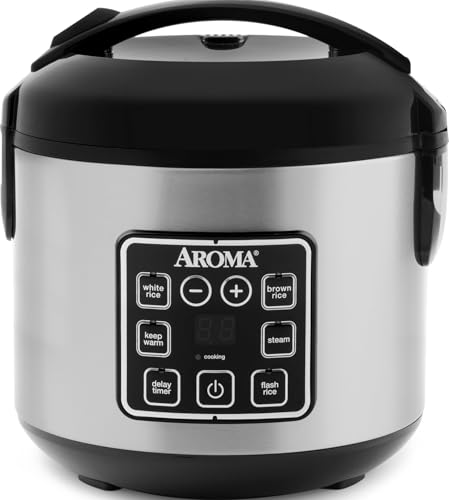
AROMA Digital Rice Cooker, 4-Cup (Uncooked) / 8-Cup (Cooked), Steamer, Grain Cooker, Multicooker, 2 Qt, Stainless Steel Exterior, ARC-914SBD
The AROMA Digital Rice Cooker is featured as the best overall example of a modern digital rice cooker that uses temperature sensors and automatic Keep Warm technology. It helps demonstrate how digital rice cookers detect when all the water has been absorbed before switching cooking modes automatically.
Who Should Buy It
This model is ideal for individuals, couples, and small families who want reliable everyday rice cooking with simple digital controls and multiple cooking functions.
Why We Pick It
It earned a place because it clearly demonstrates the automatic shut-off and temperature-sensing technology explained throughout the article while offering dependable everyday performance at an affordable price.
Features & Benefits
| Feature | Benefit |
|---|---|
| Digital Temperature Sensor | Automatically detects when cooking is complete and switches to Keep Warm |
| Automatic Keep Warm | Keeps rice warm without continuing to cook aggressively |
| Multiple Cooking Programs | Supports rice, grains, steaming, and other cooking tasks from one appliance |
Pros & Cons
| Pros | Cons |
|---|---|
| ✓ Accurate automatic shut-off | ✕ Smaller capacity than family-size models |
| ✓ Easy digital operation | ✕ Non-Fuzzy Logic cooking |
| ✓ Good value for money |
Zojirushi NS-ZCC10 Neuro Fuzzy Rice Cooker and Warmer
Best For: Best Premium Fuzzy Logic Rice Cooker
ZOJIRUSHI
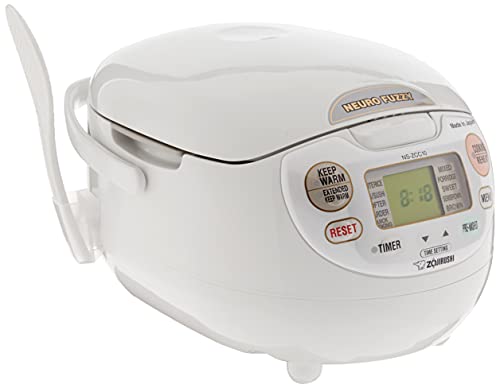
Zojirushi Ns ZCC10 Neuro Fuzzy Rice Cooker and Warmer (White)
The Zojirushi NS-ZCC10 is highlighted as the premium example of a Fuzzy Logic rice cooker. Unlike traditional thermostat-controlled models, it continuously monitors cooking conditions with a microprocessor to deliver more precise results across different rice varieties.
Who Should Buy It
This rice cooker is best for home cooks who prepare rice frequently and want maximum consistency, advanced cooking programs, and premium performance.
Why We Pick It
It earned its place because it showcases how modern Neuro Fuzzy technology improves upon traditional automatic shut-off systems by intelligently adjusting temperature and cooking time throughout the cooking cycle.
Features & Benefits
| Feature | Benefit |
|---|---|
| Neuro Fuzzy Logic | Automatically adjusts cooking temperature and time for different rice types |
| Extended Keep Warm | Maintains rice quality for longer periods after cooking |
| Multiple Menu Settings | Optimizes cooking for white rice, brown rice, porridge, and other grains |
Pros & Cons
| Pros | Cons |
|---|---|
| ✓ Excellent cooking consistency | ✕ Premium price |
| ✓ Advanced Fuzzy Logic technology | ✕ More features than occasional users may need |
| ✓ Outstanding Keep Warm performance |
Automatic Rice Cooker Feature Comparison
| Product | Image | Amazon | Best For | Cooking Technology | Keep Warm | Capacity | Amazon Rating | My Rating |
|---|---|---|---|---|---|---|---|---|
| AROMA ARC-914SBD | 🔍 Click image to enlarge | View Now at Amazon | Best Overall Digital | Digital Sensor | Yes | 4 Cups Uncooked / 8 Cups Cooked | 4.5★ (65,047) | 9.0/10 |
| Zojirushi NS-ZCC10 | 🔍 Click image to enlarge | View Now at Amazon | Best Premium | Neuro Fuzzy Logic | Yes | 5.5 Cups Uncooked | 4.7★ (12,312) | 9.4/10 |
Troubleshooting Common Rice Cooker Problems
Most rice cooker problems are caused by incorrect water ratios, poor maintenance, worn components, or improper operation rather than a faulty automatic shut-off system. Fortunately, many issues can be solved without replacing the appliance. Understanding how a rice cooker detects temperature changes also makes troubleshooting much easier.
Rice Cooker Not Heating Up
A rice cooker that does not heat up usually has a power supply, heating plate, thermostat, or thermal fuse problem. First, check that the power cord is securely connected and the outlet is working. Then inspect the heating plate for burnt food or debris that may prevent the inner pot from making proper contact.
If the appliance still fails to heat after cleaning, the thermostat or thermal fuse may require replacement. Additionally, cleaning the heating plate regularly improves heat transfer and helps the temperature sensor operate correctly.
Rice Cooker Stops Too Early
A rice cooker that switches to Keep Warm too early often detects a temperature increase before the rice has fully cooked. The most common causes include insufficient water, an unevenly seated inner pot, or a damaged thermostat.
Always use the correct water ratio for the rice variety being prepared. If the problem continues despite accurate measurements, reviewing other rice cooker issues can help identify whether the thermostat or heating plate needs attention.
Rice Still Hard After Cooking
Rice that remains hard after cooking usually needs more water or a longer cooking cycle. White rice, brown rice, jasmine rice, and basmati rice all absorb water differently, so using the correct ratio is essential.
After the cooking cycle ends, allow the rice to rest with the lid closed for about 10 minutes. During this resting period, the remaining steam finishes cooking the grains while improving texture.
Rice Cooker Rice Too Sticky
Sticky rice is usually caused by excess water or insufficient rinsing before cooking. Washing rice removes surface starch that can make cooked rice clump together, especially with white rice.
However, some rice varieties such as sushi rice naturally produce a stickier texture. Measuring water carefully and rinsing thoroughly usually produces fluffier results.
Rice Sticking to the Bottom of the Pot
Rice sticking to the bottom often indicates excessive cooking time, damaged non-stick coating, or incorrect water levels. As the remaining moisture disappears, the base of the inner pot becomes much hotter than boiling water.
If sticking becomes frequent, inspect the inner pot for scratches or worn coating. Furthermore, if burning accompanies sticking, understanding why a rice cooker burns rice can help prevent future problems.
Why Rice Cookers Sometimes Overcook Rice
A rice cooker may overcook rice when the water ratio is incorrect or the Keep Warm mode runs for an extended period. Although automatic shut-off prevents active boiling, prolonged warming gradually removes moisture from cooked rice.
Serving the rice shortly after cooking preserves its texture best. Premium Fuzzy Logic models usually manage this process more accurately because they adjust heating throughout the warming cycle.
💡 Helpful Tip
Cleaning the heating plate, keeping the inner pot free from dents, and measuring water accurately solve many rice cooker problems before expensive repairs become necessary.
Do Rice Cookers Automatically Turn Off?
Yes, nearly all modern rice cookers automatically stop cooking and switch to Keep Warm once the rice is done. Instead of relying on a countdown timer, the appliance reacts to changes in temperature detected beneath the inner pot.
Do All Rice Cookers Switch to Keep Warm?
Most electric rice cookers include an automatic Keep Warm function. Basic mechanical models use a thermostat and bimetallic strip, while digital models rely on electronic temperature sensors controlled by a microprocessor.
Both systems aim to keep cooked rice warm without continuing the main cooking process.
Does an Aroma Rice Cooker Turn Off Automatically?
Yes, Aroma rice cookers automatically switch from Cook to Keep Warm after detecting that the water has been absorbed. Digital Aroma models may also adjust cooking time automatically depending on the selected cooking program.
This automatic transition helps reduce overcooking while keeping rice ready to serve for several hours.
Can a Rice Cooker Stay on Keep Warm for Hours?
Yes, many rice cookers are designed to remain in Keep Warm mode for several hours. Premium models generally maintain moisture more effectively than basic units because they regulate warming temperatures more precisely.
Nevertheless, extremely long warming periods may gradually dry the rice. Therefore, serving or refrigerating leftovers within a reasonable time provides the best texture and food quality.
Is It Safe to Leave a Rice Cooker Plugged In?
Most modern rice cookers are designed with multiple safety features that make normal operation safe. These include thermostats, thermal fuses, and automatic Keep Warm functions that prevent dangerous overheating.
Even so, damaged power cords, blocked vents, or internal electrical faults should never be ignored. Learning how a rice cooker can fail under unsafe conditions helps users recognize warning signs before problems develop.
How to Properly Use a Rice Cooker
Using a rice cooker correctly improves both cooking performance and the accuracy of the automatic shut-off system. Small preparation mistakes often explain inconsistent cooking results.
Measure Rice Correctly
Always use the measuring cup supplied with the rice cooker. Many manufacturers use a 180 ml rice cup instead of a standard kitchen measuring cup, so substituting another cup may affect water ratios.
Add the Correct Water Ratio
The correct water ratio depends on the rice variety. Brown rice usually requires more water than white rice, while jasmine and basmati rice each have their own recommended measurements.
Understanding rice cooker capacity measurements also helps avoid overfilling the inner pot.
Close the Lid Properly
A tightly closed lid traps steam inside the cooking chamber. Escaping steam changes the cooking environment and may affect temperature detection, particularly in mechanical rice cookers.
Let the Cooker Finish Naturally
Avoid opening the lid before the cooking cycle finishes. Releasing steam prematurely interrupts heat circulation and may produce unevenly cooked rice.
Allow Rice to Rest Before Serving
Letting cooked rice rest for about 10 minutes improves texture. During this short resting period, remaining moisture redistributes evenly throughout the grains, creating fluffier rice with better consistency.
How We Evaluated the Example Rice Cookers
The recommended rice cookers were selected because they clearly demonstrate the technologies discussed throughout this guide. Evaluation focused on practical performance rather than unnecessary marketing features.
Automatic Shut-Off Accuracy
The ability to detect the correct finishing point was the highest priority. Reliable temperature sensing consistently produces evenly cooked rice while reducing burning or undercooking.
Sensor Technology
Traditional thermostats and advanced Fuzzy Logic systems were both considered. Each technology offers advantages depending on cooking preferences and budget.
Temperature Control
Stable heating improves cooking consistency. Better temperature management also helps the Keep Warm function maintain rice quality for longer periods.
Ease of Use
Simple controls encourage consistent results. Clear menus, intuitive buttons, and straightforward operation reduce mistakes during everyday cooking.
Reliability
Long-term dependability remains one of the most important buying considerations. Established manufacturers with strong service records generally provide better ownership experiences.
Customer Reviews
Large numbers of verified customer reviews provide useful long-term feedback. Consistent ratings across thousands of users help identify products that continue performing well after years of regular use.
Brand Reputation
Manufacturers with decades of experience often produce more dependable rice cookers. Aroma and Zojirushi have established reputations for reliable automatic cooking technology.
Overall Value
The best rice cooker balances cooking performance, reliability, features, and price. A budget model can satisfy many households, while premium Fuzzy Logic models justify higher prices for users seeking maximum consistency.
Frequently Asked Questions
How does a rice cooker know when to stop cooking?
A rice cooker knows when to stop cooking by monitoring temperature instead of time. After all the water has been absorbed, the inner pot becomes hotter than 100°C (212°F). The thermostat or electronic sensor detects this change and automatically activates Keep Warm mode.
How does a rice cooker know when to turn itself off?
A rice cooker turns itself off because the thermostat senses rising temperature. Since boiling water limits heat to around 100°C, any temperature above that indicates the cooking water has disappeared and the rice has finished cooking.
Do rice cookers automatically turn off?
Yes, nearly all electric rice cookers automatically stop active cooking. Instead of shutting off completely, most models switch into Keep Warm mode so cooked rice remains ready to serve without continued boiling.
Does an Aroma rice cooker turn off automatically?
Yes, Aroma rice cookers automatically transition from Cook to Keep Warm. Mechanical models rely on thermostats, while digital models use electronic sensors for more precise cooking control.
What makes a rice cooker switch to Keep Warm?
The temperature increase after water absorption triggers the Keep Warm function. Once the thermostat detects the higher temperature, the appliance reduces power and maintains serving temperature automatically.
Why is my rice cooker not cooking rice properly?
Incorrect water ratios, damaged components, or poor contact between the inner pot and heating plate commonly cause cooking problems. Cleaning the appliance and measuring ingredients accurately usually solve many issues.
Why is my rice still hard after cooking?
Rice usually remains hard because it needs more water or additional steaming time. Allowing the rice to rest after cooking often improves texture significantly.
Why is rice sticking to the bottom of my rice cooker?
Rice sticks when excessive heat develops after moisture disappears. Damaged non-stick coatings, incorrect water levels, and prolonged warming all increase the likelihood of sticking.
Can a rice cooker overcook rice?
Yes, overcooking can occur if too little water is added or the rice remains on Keep Warm for many hours. Premium Fuzzy Logic models generally manage warming more effectively than basic mechanical units.
How do Fuzzy Logic rice cookers work?
Fuzzy Logic rice cookers use computer-controlled sensors to adjust cooking automatically. Instead of following one fixed heating pattern, they continuously modify temperature based on the type of rice and current cooking conditions.
How to properly use a rice cooker?
Measure rice accurately, add the correct amount of water, keep the lid closed during cooking, and allow the rice to rest after the cycle ends. These simple habits produce more consistent results.
How to fix a rice cooker that is not heating?
Begin by checking the power supply, heating plate, and inner pot. If cleaning does not restore operation, the thermostat or thermal fuse may require professional replacement.
Final Thought
Understanding how a rice cooker knows when to stop makes everyday cooking more predictable and helps solve many common problems. Whether the appliance uses a traditional thermostat or advanced Fuzzy Logic technology, both systems rely on temperature changes rather than timers to determine when rice is fully cooked.
For most households, the AROMA Digital Rice Cooker ARC-914SBD offers excellent value with dependable automatic cooking and Keep Warm performance. If maximum precision, multiple cooking programs, and advanced temperature control are priorities, the Zojirushi NS-ZCC10 Neuro Fuzzy Rice Cooker and Warmer is the premium choice.
- AROMA Digital Rice Cooker ARC-914SBD – View on Amazon
- Zojirushi NS-ZCC10 Neuro Fuzzy Rice Cooker and Warmer – View on Amazon
For more practical cooking advice, explore our guides on using a rice cooker for quinoa and discover other creative ways to use a rice cooker. For technical details about rice cooker design and operation, the official Zojirushi documentation provides additional reference information.
Related Articles