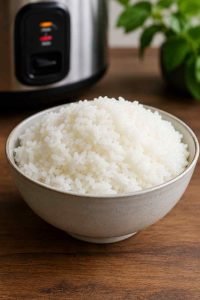
Common rice cooker problems are usually caused by incorrect water measurements, poor maintenance, worn components, or normal appliance wear rather than complete failure. During everyday cooking, I discovered that checking the power source, cleaning the heating plate, and inspecting the inner pot often solved problems much faster than replacing the entire appliance. This guide explains practical troubleshooting, preventive maintenance, and when repair or replacement is the better option. If you’ve ever wondered how a rice cooker knows when to stop, understanding that process makes diagnosing many faults much easier.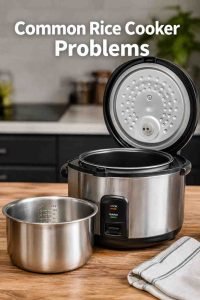
Why Rice Cookers Develop Problems Over Time
How a rice cooker works
A rice cooker works by combining a heating plate, thermostat, temperature sensor, and removable inner pot to cook rice automatically. Once the water has been absorbed or evaporated, the temperature inside the cooking pot rises above the boiling point, allowing the thermostat to switch the appliance from Cook mode to Keep Warm.
During daily cooking, I noticed that understanding this simple process makes troubleshooting much easier. For example, anything that interrupts heat transfer—such as a warped inner pot, excessive food residue, or a faulty thermostat—can cause undercooked rice, burnt rice, or early shut-off.
The heating plate also depends on full contact with the bottom of the inner pot. Even a small grain of rice trapped underneath the pot can reduce heat transfer and create uneven cooking results.
Normal wear vs actual mechanical failure
Most common rice cooker problems result from normal wear instead of major electrical failure. Components such as the inner pot coating, lid gasket, steam vent, and heating surface naturally wear down after years of regular cooking.
Mechanical failure is different because it usually involves damaged wiring, failed sensors, defective thermostats, or blown thermal fuses. These problems rarely appear suddenly without warning. In many cases, the rice cooker begins producing inconsistent results long before it completely stops working.
I usually pay attention to small warning signs first. Longer cooking times, uneven rice texture, unusual smells, and frequent boiling over often indicate maintenance is overdue rather than complete appliance failure.
The most common causes of rice cooker issues
The most frequent rice cooker issues are incorrect water-to-rice ratios, dirty heating plates, worn inner pots, damaged lid seals, blocked steam vents, and electrical supply problems. Fortunately, nearly all of these issues can be identified without specialized tools.
Another common cause is neglecting routine cleaning. Starch buildup beneath the removable cooking pot gradually reduces heat transfer, while clogged steam vents prevent proper pressure release during cooking.
Finally, age plays an important role. Even a well-maintained rice cooker eventually develops worn coatings, weakened sensors, and declining heating performance after years of regular use.
Common Rice Cooker Problems and How to Fix Them
Rice cooker won’t turn on
A rice cooker that won’t turn on is usually suffering from a simple electrical problem rather than complete appliance failure. Start by checking the wall outlet, power cord, and plug before assuming internal components are damaged.
I always test the outlet using another small appliance first. If the outlet works normally, inspect the power cord for cuts, loose connections, or burn marks. Damaged power cords should always be replaced instead of repaired.
Next, remove the inner pot and examine the heating plate. Moisture, food debris, or corrosion around electrical contacts can occasionally prevent proper operation.
If the rice cooker still remains completely dead, the thermal fuse, internal thermostat, or electronic control board may have failed. Those repairs usually require professional service.
If replacement becomes more economical than repair, the AROMA Digital Rice Cooker ARC-914SBD offers reliable digital controls, automatic Keep Warm mode, and dependable everyday performance.
Rice cooker not heating properly
A rice cooker not heating properly usually points to poor contact between the inner pot and heating plate, voltage issues, or a failing heating element. Begin with the simplest inspection before considering replacement.
After removing the cooking bowl, wipe both the heating plate and the underside of the inner pot using a soft damp cloth. Even tiny grains of rice trapped underneath can interrupt heat transfer and prevent proper cooking.
Low household voltage can also extend cooking times. If multiple kitchen appliances appear weak simultaneously, the electrical supply may be responsible rather than the rice cooker itself.
When cleaning no longer improves heating performance, the heating element or thermostat may have deteriorated. At that stage, replacing an older appliance often provides better long-term value.
Rice cooker shuts off before the rice is cooked
A rice cooker that shuts off too early usually loses steam before cooking finishes or incorrectly detects that the rice has already reached cooking temperature. Both situations commonly produce hard or partially cooked rice.
I first inspect the lid seal whenever this happens. A worn gasket allows steam to escape continuously, causing the temperature sensor to receive inaccurate readings and switch into Keep Warm too soon.
Cleaning the temperature sensor and steam vent also helps restore accurate operation. However, cracked lid seals should be replaced because cleaning alone cannot restore an airtight seal.
For worn lid gaskets, the IMPRESA Silicone Sealing Ring & Gasket Kit provides an inexpensive repair that restores proper sealing and improves cooking consistency.
Rice cooker burns rice on the bottom
Rice cooker burning on the bottom almost always indicates excessive heat transfer, insufficient water, or poor contact between the inner pot and heating plate. The good news is that the cause is usually easy to identify.
I discovered that measuring water accurately solved most burning problems immediately. Different rice varieties require different water levels, and using the same ratio for every type often creates burnt or undercooked rice.
Another overlooked cause is a worn non-stick coating. Once the protective surface begins wearing away, rice sticks more easily and scorches during the final stage of cooking.
If burnt rice remains a recurring issue despite proper measurements, a worn inner pot may be responsible. Replacing only the cooking bowl is often much cheaper than replacing the entire appliance. Additional guidance on this specific issue is available in our article about rice cooker burning rice.
Rice sticks to the bottom of the pot
Rice sticking to the bottom of the pot usually happens because excess starch remains on the rice, the non-stick coating has deteriorated, or cooking temperatures become uneven. Sticky rice doesn’t always indicate a faulty appliance.
I now rinse rice thoroughly before every cooking cycle. Removing surface starch significantly reduces sticking while also producing fluffier grains after cooking.
If the cooking surface has become scratched or worn, replacing the inner pot restores both cooking performance and easier cleanup. Stainless steel replacement bowls also eliminate concerns about damaged non-stick coatings.
The 304 Stainless Steel Replacement Inner Pot is an excellent upgrade when the original removable cooking bowl no longer distributes heat evenly or has visible coating damage.
Rice is undercooked or too hard
Rice that remains hard after cooking is most commonly caused by insufficient water, incorrect cooking settings, or interrupted heating. Before blaming the appliance, verify the cooking method.
I always confirm the measuring cup supplied with the rice cooker is being used. Many people unknowingly substitute a standard kitchen measuring cup, which changes the intended rice-to-water ratio and affects cooking results.
Older rice can also absorb moisture more slowly than freshly packaged rice. Therefore, slightly increasing the water level sometimes produces noticeably better texture.
If every batch remains undercooked despite accurate measurements, the thermostat or heating element may no longer maintain cooking temperature consistently. At that point, repair or replacement becomes the most practical long-term solution.
Rice is mushy or overcooked
Mushy or overcooked rice usually means the rice cooker received too much water or the wrong cooking program was selected. Although the appliance may seem faulty, incorrect preparation is a much more common cause than mechanical failure.
I learned this after switching between jasmine, basmati, and brown rice without adjusting the water level. Each variety absorbs moisture differently, so using the same ratio every time often produces overly soft rice.
Additionally, leaving cooked rice on Keep Warm for many hours allows steam to continue softening the grains. Serving the rice shortly after cooking preserves the best texture and prevents excessive moisture buildup.
Rice cooker boils over
A rice cooker that boils over almost always contains too much water, too much rice, or excessive surface starch. Overflow is messy, but it is rarely caused by a defective appliance.
I always rinse rice several times until the water becomes mostly clear. Removing excess starch dramatically reduces bubbling and prevents foam from blocking the steam vent.
Never fill beyond the maximum line marked inside the cooking bowl. Rice expands significantly during cooking, and overfilling leaves insufficient room for steam circulation.
Rice cooker leaks steam
Steam leaking from the lid usually indicates a worn gasket, damaged lid seal, or improperly closed lid. Small steam leaks reduce cooking efficiency because moisture escapes before the rice finishes cooking.
I normally inspect the silicone gasket first because it naturally hardens after years of repeated heating. Even a slight gap around the lid can cause uneven cooking and premature switching to Keep Warm mode.
Cleaning the steam vent is equally important. Food residue can prevent the lid from sealing correctly and may force steam to escape around the edges.
Replacing a damaged gasket with the IMPRESA Silicone Sealing Ring & Gasket Kit is usually faster and far less expensive than replacing the entire rice cooker.
Rice cooker won’t switch to Keep Warm
A rice cooker that doesn’t enter Keep Warm mode often has a thermostat or temperature sensor problem. Since the thermostat controls the transition between cooking and warming, incorrect temperature readings prevent the switch from occurring.
I first make sure the inner pot sits perfectly flat on the heating plate. Uneven contact sometimes delays temperature detection and interferes with automatic operation.
If the cooker finishes cooking but shuts off completely every time, internal electrical components may require professional inspection.
Rice cooker smells like burning plastic
A burning plastic smell should never be ignored because it may indicate either harmless residue or a developing electrical fault. Identifying the source quickly helps prevent further damage.
New rice cookers sometimes produce a temporary odor during the first few cooking cycles. However, persistent burning smells after months of use usually deserve immediate attention.
Food debris touching the heating plate can burn during cooking. Therefore, clean both the underside of the cooking bowl and the heating plate regularly.
If smoke accompanies the smell, unplug the appliance immediately and discontinue use until the problem has been diagnosed.
Rice cooker makes unusual clicking or beeping sounds
Clicking sounds are often completely normal because the thermostat repeatedly cycles between heating and warming. However, loud clicking, continuous beeping, or repeated error sounds deserve closer inspection.
I usually compare the sound with previous cooking cycles. A familiar click every few minutes is normal, whereas rapid or irregular clicking may suggest thermostat wear or control board problems.
Digital rice cookers may also beep when sensors detect abnormal temperatures, improper lid closure, or internal faults.
Rice cooker display shows error codes
Error codes on digital rice cookers are designed to identify specific operating problems. The exact meaning depends on the manufacturer, so consulting the user manual is always the first step.
Many temporary errors disappear after unplugging the appliance for several minutes before restarting it. A simple reset often clears software-related faults.
If the same code appears repeatedly, the temperature sensor, control board, or another internal component may require servicing.
Rice cooker trips the circuit breaker
A rice cooker that trips the circuit breaker should be disconnected immediately because electrical faults can present serious safety risks. Never continue using an appliance that repeatedly interrupts household power.
I first check whether several high-powered appliances are operating on the same electrical circuit. Overloaded circuits occasionally trigger breakers even when the rice cooker is functioning normally.
If the breaker trips only when the rice cooker operates, damaged wiring or an internal short circuit is the most likely cause. Professional repair is usually safer than attempting electrical repairs at home.
Common Rice Cooking Mistakes That Look Like Appliance Problems
Incorrect water-to-rice ratio
The wrong water-to-rice ratio remains the leading cause of common rice cooker problems. Too little water creates dry or burnt rice, while too much water produces soggy, sticky grains.
I always follow both the rice cooker’s measuring lines and the recommendations for the specific rice variety. Brown rice, sushi rice, jasmine rice, and basmati rice all require different amounts of water.
Not rinsing rice
Skipping the rinsing step leaves excess starch on the rice, increasing the chances of boiling over, sticking, and uneven texture. Washing rice also improves the final appearance of cooked grains.
I rinse rice until the water changes from cloudy to almost clear. That simple habit reduced sticking and made cleanup noticeably easier after every cooking cycle.
Using the wrong rice type
Different rice varieties cook differently, even inside the same rice cooker. Choosing the wrong cooking mode or water ratio often creates problems that resemble appliance failure.
For example, brown rice needs more water and a longer cooking time than white rice. Selecting the proper program improves consistency without changing the appliance itself.
Overfilling the cooker
Overfilling a rice cooker restricts steam circulation and increases the likelihood of overflow, uneven cooking, and undercooked rice. Every rice cooker includes maximum fill markings for a reason.
I never exceed those markings because expanding rice requires additional room during cooking. Respecting the capacity also reduces unnecessary stress on internal components.
Ignoring capacity markings
Capacity markings inside the cooking bowl are calibrated specifically for that rice cooker model. Using standard kitchen cups instead of the supplied measuring cup changes the intended proportions.
If you are unsure how rice cooker capacities are measured, understanding what a 1-litre rice cooker actually means helps prevent measuring mistakes and improves cooking consistency.
Rice Cooker Maintenance Tips to Prevent Future Problems
Cleaning the heating plate
A clean heating plate transfers heat evenly and improves cooking performance. Food particles trapped beneath the inner pot reduce efficiency and may eventually damage the heating surface.
After every few cooking cycles, I allow the appliance to cool completely before wiping the heating plate with a soft, damp cloth. Abrasive scrubbers should never be used because they may scratch the metal surface.
Cleaning the steam vent
The steam vent should remain free of starch deposits and food residue. Blocked vents interfere with pressure release and contribute to boiling over or uneven cooking.
I remove and rinse removable steam caps regularly according to the manufacturer’s instructions. This small maintenance task keeps steam flowing normally throughout the cooking cycle.
Caring for the inner pot
The inner pot deserves careful handling because its surface directly affects cooking performance. Scratched non-stick coatings and warped bases reduce heat transfer and increase sticking.
I only use plastic, silicone, or wooden utensils inside the cooking bowl. Metal utensils gradually damage protective coatings and shorten the lifespan of the pot.
Replacing worn seals
Silicone lid seals naturally lose flexibility over time. Once steam begins escaping around the lid, replacing the gasket restores proper pressure and improves cooking consistency.
Routine inspection of seals every few months helps prevent many common rice cooker problems before they become more expensive repairs.
Storing the cooker correctly
Proper storage protects both the electrical components and cooking surfaces. Moisture trapped inside the appliance encourages odors, mold growth, and corrosion.
I always leave the lid slightly open after cleaning until every component dries completely. Storing the rice cooker in a dry cabinet also extends its overall service life.
Rice Cooker Health and Safety
Are rice cookers safe?
Rice cookers are generally safe when used according to the manufacturer’s instructions. Modern models include thermostats, thermal protection, and automatic Keep Warm functions that reduce overheating risks.
Safe operation also depends on proper maintenance. Damaged power cords, blocked steam vents, and neglected cleaning increase the likelihood of preventable problems.
Why can cooked rice become dangerous?
Cooked rice can become unsafe when left at room temperature for extended periods because naturally occurring Bacillus cereus bacteria may multiply and produce toxins.
Prompt refrigeration greatly reduces this risk. Therefore, leftover rice should be cooled quickly and stored in the refrigerator rather than left on the kitchen counter.
The dangers of reheating cooked rice
Reheating rice is safe only when the rice has been stored correctly. If cooked rice remains unrefrigerated for several hours, reheating cannot destroy every toxin produced by bacterial growth.
For food safety guidance, follow recommendations published by the USDA Food Safety and Inspection Service.
How long can rice stay on Keep Warm?
Most manufacturers recommend using Keep Warm only for several hours, not all day. Although the function maintains serving temperature, extended holding gradually dries the rice and reduces overall quality.
I usually serve the rice within one or two hours for the best flavor and texture.
Safe rice storage practices
Store leftover rice in shallow containers and refrigerate it as soon as it cools slightly. Quick cooling limits bacterial growth and helps preserve freshness.
When reheating, ensure the rice becomes steaming hot throughout before serving. Any leftover rice that develops an unusual smell or appearance should be discarded immediately.
When Should You Repair or Replace Your Rice Cooker?
Problems worth repairing
Many common rice cooker problems are inexpensive to repair, especially when the issue involves replaceable parts instead of electrical components. A worn gasket, damaged inner pot, blocked steam vent, or faulty power cord often costs much less than purchasing a new appliance.
I usually repair a rice cooker when the heating system still works properly and the repair part is easy to obtain. Replacing a lid seal or removable cooking bowl can restore cooking performance for years.
Routine maintenance also extends appliance life. Cleaning sensors, removing mineral deposits, and replacing worn accessories often solve problems before they become expensive.
Problems that usually require replacement
Replacing the rice cooker becomes the better choice when major electrical components fail repeatedly or repair costs approach the price of a new appliance. Burnt wiring, damaged control boards, and failed heating elements rarely make economic sense on older models.
I also replace a rice cooker if multiple problems begin appearing together. For example, poor heating, damaged coatings, faulty sensors, and steam leakage often indicate that the appliance has reached the end of its practical lifespan.
Modern rice cookers also provide improved temperature control, better energy efficiency, and additional cooking programs that older models simply cannot match.
Signs your rice cooker has reached the end of its lifespan
Several warning signs indicate that a rice cooker should be replaced rather than repaired. Paying attention to these symptoms prevents repeated frustration and improves kitchen safety.
- Repeated electrical problems
- Persistent burning smells
- Heating element failure
- Cracked or warped inner pot
- Severe steam leakage despite a new gasket
- Frequent thermostat failures
- Control board malfunction
- Repair costs approaching replacement cost
If several of these symptoms appear together, investing in a newer rice cooker usually delivers better long-term value.
Recommended replacement rice cookers
When replacement becomes necessary, choosing a reliable model helps prevent many common rice cooker problems from returning. The two models below provide dependable performance for different budgets and cooking needs.
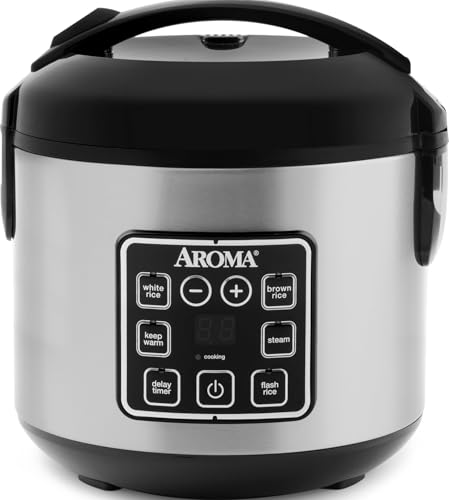
AROMA Digital Rice Cooker ARC-914SBD
Best For: Best Overall Replacement Rice Cooker
AROMA
AROMA Digital Rice Cooker, 4-Cup (Uncooked) / 8-Cup (Cooked), Steamer, Grain Cooker, Multicooker, 2 Qt, Stainless Steel Exterior, ARC-914SBD
The AROMA ARC-914SBD is recommended as the best replacement when an older rice cooker develops persistent heating, thermostat, or electrical problems. The article highlights its dependable digital controls, automatic Keep Warm mode, and reliable everyday cooking performance as practical reasons to replace instead of repair.
Who Should Buy It
This model is ideal for home cooks replacing an aging or unreliable rice cooker and for anyone who wants a dependable digital model with simple operation. It also suits small families looking for a versatile cooker that can prepare rice, grains, and steamed foods.
Why We Pick It
It earned a spot because replacing a failing rice cooker is often more cost-effective than repairing major electrical faults. Its consistent performance and automatic cooking features make it a dependable long-term replacement.
Features & Benefits
| Feature | Benefit |
|---|---|
| Digital Controls | simplifies cooking with preset programs |
| Automatic Keep Warm | keeps rice ready to serve without overcooking |
| Steam Tray | allows vegetables and proteins to cook alongside rice |
Pros & Cons
| Pros | Cons |
|---|---|
| ✓ Reliable everyday performance | ✕ Non-stick pot can wear over time |
| ✓ Easy digital operation | ✕ Smaller capacity for larger households |
| ✓ Versatile multicooker functions |
The AROMA Digital Rice Cooker ARC-914SBD is an excellent choice for households replacing an older cooker with thermostat problems, inconsistent heating, or worn internal components. Digital controls, automatic Keep Warm mode, and multiple cooking programs make everyday use straightforward without unnecessary complexity.
Affiliate Link:
View the AROMA Digital Rice Cooker on Amazon
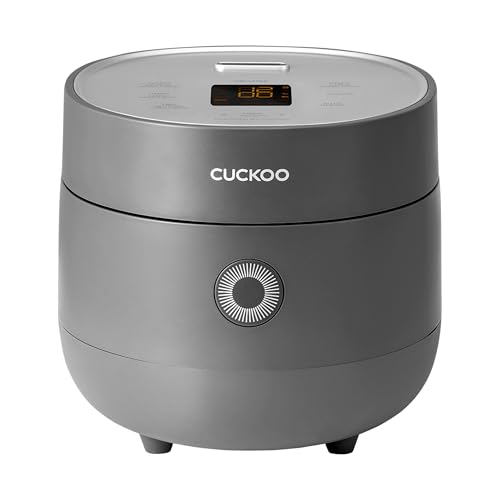
CUCKOO Micom Fuzzy Logic Rice Cooker CR-0375FG
Best For: Best Premium Upgrade
CUCKOO
CUCKOO Micom Fuzzy Logic Rice Cooker, 6-Cup Cooked, Gray, CR-0375FG
The CUCKOO Micom Fuzzy Logic Rice Cooker is recommended for users upgrading from an older cooker to improve cooking consistency. The article explains that its fuzzy logic technology automatically adjusts cooking conditions, helping reduce undercooked rice, burnt rice, and uneven texture.
Who Should Buy It
This model is best for cooks who prepare different rice varieties regularly and want intelligent temperature control with minimal manual adjustments. It also suits buyers seeking a premium replacement after repeated cooking problems.
Why We Pick It
It earned a place because fuzzy logic technology addresses many of the common cooking issues discussed throughout the article, including inconsistent texture and inaccurate temperature control.
Features & Benefits
| Feature | Benefit |
|---|---|
| Fuzzy Logic Technology | automatically adjusts cooking temperature and time |
| Self-Clean Function | simplifies routine maintenance |
| Multiple Cooking Modes | prepares different rice varieties and grains more accurately |
Pros & Cons
| Pros | Cons |
|---|---|
| ✓ Excellent cooking consistency | ✕ Higher price than basic rice cookers |
| ✓ Intelligent automatic adjustments | ✕ More features than some users may need |
| ✓ Easy to maintain |
The CUCKOO Micom Fuzzy Logic Rice Cooker suits anyone wanting more precise temperature control and improved cooking consistency. The fuzzy logic system automatically adjusts cooking conditions, helping reduce undercooked rice, burnt rice, and uneven texture.
Affiliate Link:
View the CUCKOO Micom Rice Cooker on Amazon
Common Rice Cooker Problems by Brand
Cuckoo rice cooker troubleshooting
CUCKOO rice cookers are known for advanced fuzzy logic technology, but they still require routine maintenance. Most issues involve dirty pressure seals, blocked steam vents, or incorrect lid closure rather than defective electronics.
I always clean the removable lid components regularly because pressure-based models depend heavily on proper sealing. Ignoring routine cleaning eventually affects cooking performance.
Aroma rice cooker troubleshooting
Aroma rice cookers commonly experience issues related to worn inner pots, damaged lid gaskets, incorrect measurements, and neglected cleaning. Fortunately, replacement accessories are widely available and inexpensive.
If an Aroma cooker begins sticking or burning rice, inspecting the cooking bowl usually identifies the cause before more complicated repairs become necessary.
Fuzzy Logic rice cooker troubleshooting
Fuzzy Logic rice cookers use intelligent temperature control instead of simple on-and-off heating. As a result, troubleshooting usually begins with cleaning sensors, inspecting lid seals, and resetting electronic controls.
Although these models contain more electronics, they often produce more consistent rice because the cooking program automatically adjusts throughout the cooking cycle.
Frequently Asked Questions
Why does my rice cooker not work?
A rice cooker that does not work usually has a power supply problem, damaged power cord, blown thermal fuse, or failed internal component. Begin by testing the electrical outlet, inspecting the cord, and checking for visible damage before assuming the appliance requires replacement.
How do I troubleshoot my rice cooker?
Start with the simplest checks first. Inspect the power source, clean the heating plate, examine the lid seal, verify the water-to-rice ratio, and remove any food residue beneath the inner pot. Most everyday cooking problems are solved during these basic inspections.
Why does my rice cooker make a mess?
A messy rice cooker usually boils over because of excess starch, too much water, or overfilling the cooking bowl. Thoroughly rinsing rice and staying below the maximum fill line greatly reduces overflow.
Why is my rice cooker bubbling?
Bubbling is generally normal because boiling water produces steam throughout the cooking cycle. However, excessive bubbling usually indicates too much starch or an incorrect water level rather than appliance failure.
Why does my rice cooker burn rice?
Burnt rice commonly results from insufficient water, damaged non-stick coatings, warped inner pots, or incorrect cooking measurements. Cleaning the heating plate and inspecting the removable cooking bowl should be your first troubleshooting steps.
Why is my rice hard after cooking?
Hard rice usually means insufficient water or interrupted cooking. Using the correct measuring cup, selecting the proper cooking program, and checking for steam leaks normally solves this problem.
How do I fix a rice cooker that won’t heat?
Clean the heating plate first, then inspect the inner pot, electrical supply, and power cord. If heating remains inconsistent after basic maintenance, the heating element or thermostat may require professional replacement.
Can I cook rice without a rice cooker?
Yes. Rice cooks perfectly well on a stovetop when the correct water ratio and cooking method are used. However, a quality rice cooker provides more consistent results with much less attention during cooking.
Is a rice cooker worth it?
For most households, yes. A rice cooker consistently produces better rice, automatically controls temperature, reduces monitoring, and keeps cooked rice warm until serving. Frequent rice eaters usually recover the investment through convenience alone.
Are non-toxic rice cookers better?
Non-toxic rice cookers featuring ceramic or stainless steel cooking surfaces appeal to buyers wanting alternatives to traditional non-stick coatings. If healthier cookware materials are important, comparing different PFAS-free rice cookers can help narrow the options.
When should I replace my rice cooker?
Replace the rice cooker when repeated electrical failures, damaged heating elements, cracked cooking bowls, or expensive repairs make continued maintenance impractical. Newer models also provide improved safety features and better cooking consistency.
Final Thought
Most common rice cooker problems are surprisingly easy to fix. Throughout years of regular cooking, I have found that careful cleaning, accurate water measurements, replacing worn seals, and inspecting the inner pot solve far more problems than expensive repairs. Only serious electrical faults or repeated heating failures usually justify replacing the entire appliance.
If replacement becomes necessary, these are the products I recommend:
- AROMA Digital Rice Cooker ARC-914SBD — Best Overall Replacement Rice Cooker.
- CUCKOO Micom Fuzzy Logic Rice Cooker CR-0375FG — Best Premium Upgrade.
- 304 Stainless Steel Replacement Inner Pot — Best Replacement Cooking Bowl.
- IMPRESA Silicone Sealing Ring & Gasket Kit — Best Budget Repair Accessory.
Taking a few minutes to diagnose the real cause of a rice cooker problem often saves money, reduces waste, and keeps a dependable appliance working for many more years.
Related Articles